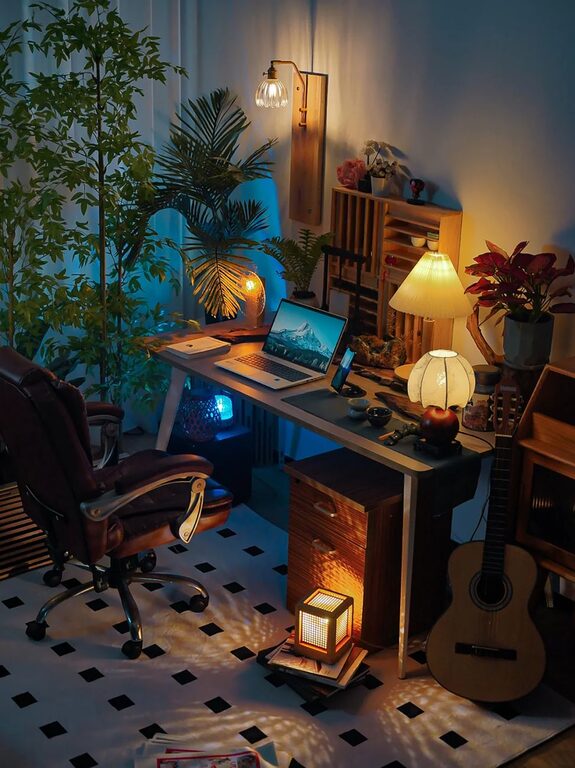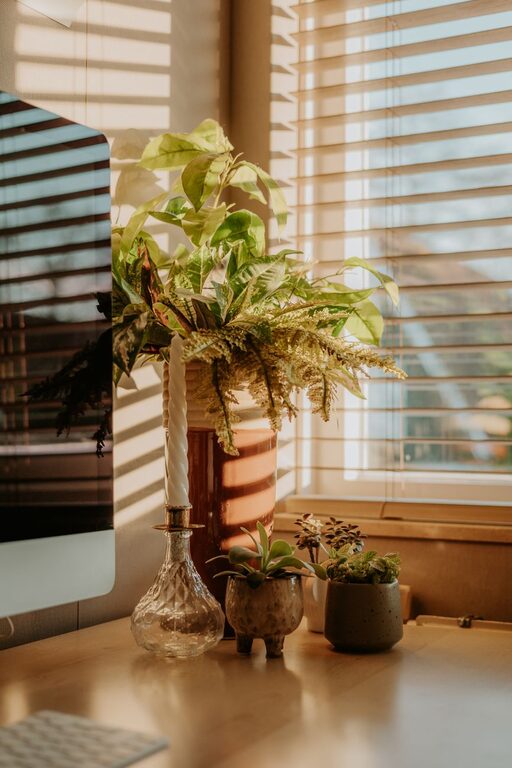
Creating a relaxing home workspace is essential for maintaining productivity and supporting your well-being, especially when working remotely. A comfortable, calm environment helps reduce stress and keeps you focused throughout the day. Whether you have a dedicated room or a small corner, these tips will guide you in designing a workspace that promotes both efficiency and relaxation.
Why a Relaxing Workspace Matters
Your work environment directly impacts how you feel and perform. A cluttered, noisy, or uncomfortable area can lead to distractions, fatigue, and anxiety. Conversely, a well-organized, peaceful space encourages clear thinking, creativity, and sustained energy levels. Taking time to craft a relaxing home workspace is an investment in your mental and physical health.
Choose the Right Location
Find a Quiet Spot
Select a location with minimal distractions. This might be a spare room, a quiet corner of your living room, or even a nook near a window. If possible, choose an area where household noise is limited.
Maximize Natural Light
Exposure to natural light boosts mood and alertness. Position your desk near a window to enjoy daylight, but be mindful of glare on your computer screen. Using light curtains or blinds can help balance brightness.
Design Your Workspace for Comfort
Ergonomic Furniture
Invest in a quality chair and desk that support good posture. An ergonomic chair with adjustable height, lumbar support, and comfortable cushioning can prevent back and neck strain. Your desk should be at a height where your arms rest naturally while typing.
Keep It Uncluttered
A tidy workspace helps clear your mind. Use organizers, shelves, or drawers to keep supplies and papers out of sight. Regularly declutter your area to maintain a sense of calm.
Use Calming Colors and Decor
Choose Soothing Colors
Colors impact mood. Soft blues, greens, or neutrals create a peaceful atmosphere conducive to concentration and relaxation. Avoid overly bright or harsh colors that may cause visual fatigue.
Personalize Mindfully
Add personal touches like photos, plants, or art to make your space inviting. However, keep decor minimal to prevent overstimulation. Plants, in particular, improve air quality and add a refreshing element.
Manage Noise and Improve Acoustics
Reduce Background Noise
If your home tends to be noisy, consider white noise machines, soft music, or noise-canceling headphones. Soft textiles like rugs, curtains, and cushions can absorb sound and reduce echo.
Create a Quiet Zone
Set boundaries with family or roommates to respect your work time. A “do not disturb” sign or scheduled breaks can help manage interruptions peacefully.
Incorporate Break and Relaxation Areas
Separate Relaxation Space
If possible, designate a small area near your workspace for short breaks. This could be a comfy chair or a meditation corner where you can step away from your desk to recharge.
Practice Mindfulness and Stretching
During breaks, try simple stretching or breathing exercises to relieve tension. Taking regular pauses refreshes your mind and body, improving productivity.
Optimize Lighting and Technology
Use Adjustable Lighting
In addition to natural light, have adjustable artificial lighting. Use desk lamps with warm light to reduce eye strain during darker hours. Avoid harsh overhead lights.
Organize Cables and Devices
Keep cables organized with clips or sleeves to avoid a messy look. Position monitors at eye level to reduce neck strain and consider using external keyboards or mice for comfort.
Maintain Healthy Habits
Keep Hydrated and Nourished
Keep a water bottle nearby and remember to drink regularly. Healthy snacks can keep energy consistent without causing crashes.
Set Clear Work Hours
Having defined start and end times helps create work-life balance. Stick to your schedule to prevent burnout and allow time for relaxation.
Final Thoughts
A relaxing home workspace isn’t just about aesthetics; it’s a place that supports your mental and physical well-being while boosting your productivity. By choosing the right location, focusing on comfort, managing noise, and integrating relaxation practices, you can create a space that helps you work better and feel better every day.
Start small by making one or two changes, and gradually build the workspace that suits your needs. Your mind and body will thank you!
About the Author