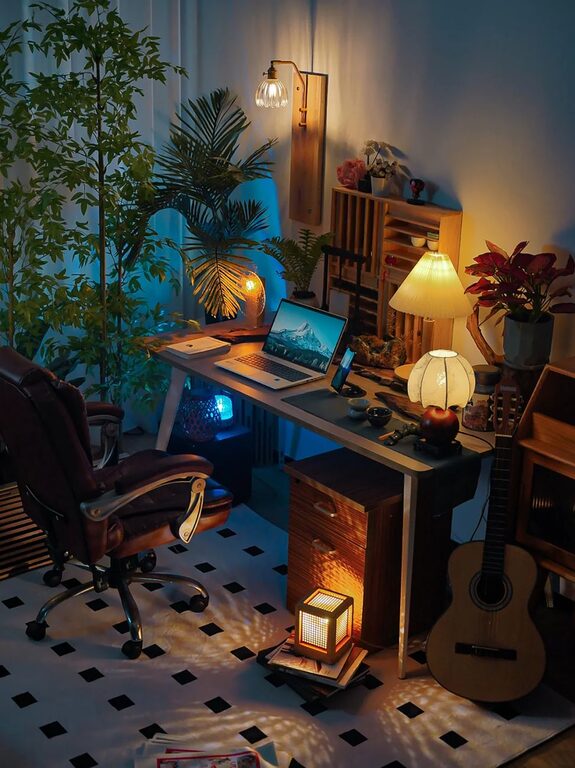
Creating a cozy and functional home workspace is essential for boosting productivity and maintaining a healthy work-life balance. Whether you have a dedicated room or a small corner, designing an inviting and efficient area can transform how you work from home. Here are some practical tips to help you set up a workspace that feels comfortable and supports your daily tasks.
1. Choose the Right Location
Selecting the best spot for your home workspace is the first step. Ideally, look for a quiet area with minimal distractions. Natural light is a bonus, as it helps reduce eye strain and enhances your mood.
– Avoid high-traffic zones to minimize interruptions.
– If possible, pick a space near a window for daylight.
– Consider privacy needs; a door or divider can help create boundaries.
2. Invest in Comfortable Furniture
Your chair and desk are the foundation of your workspace comfort. Ergonomic furniture supports good posture and reduces the risk of discomfort or injury.
– Use an adjustable chair with lumbar support.
– Choose a desk at the right height to keep your arms parallel to the floor.
– Consider a standing desk or a sit-stand converter for flexibility.
3. Optimize Lighting
Good lighting is crucial for reducing eye strain and maintaining focus.
– Combine natural and artificial light; use desk lamps with adjustable brightness.
– Avoid harsh overhead lighting or glare on your screen.
– Use warm light bulbs for a cozy atmosphere.
4. Keep It Organized
A clutter-free workspace helps keep your mind clear and your workflow smooth.
– Use organizers, trays, and drawers to store supplies.
– Keep only essential items on your desk.
– Regularly declutter and clean your workspace.
5. Personalize Your Space
Adding personal touches can make your workspace more inviting and motivating.
– Decorate with plants to bring in a touch of nature and improve air quality.
– Hang artwork or photos that inspire you.
– Choose colors and accessories that reflect your style while maintaining focus.
6. Manage Technology Efficiently
Technology is key in a home office, but it can create distractions if not managed well.
– Use cable organizers to keep cords tidy.
– Select a reliable internet connection and adequate tech tools.
– Position screens to avoid glare and maintain good posture.
7. Incorporate Storage Solutions
Maximizing storage keeps your workspace tidy and ensures everything you need is within reach.
– Use shelves, filing cabinets, or baskets to store documents and supplies.
– Label storage containers for easy identification.
– Opt for multi-purpose furniture with built-in storage.
8. Create a Routine and Boundaries
A designated workspace becomes more functional when paired with good habits.
– Set clear work hours and stick to them.
– Use the space only for work to help mentally separate work from relaxation.
– Take breaks to stretch and refresh your mind.
9. Pay Attention to Acoustics
Reducing noise can improve concentration.
– Use rugs, curtains, or acoustic panels to absorb sound.
– Consider noise-canceling headphones if you’re in a noisy environment.
10. Add Comfort Elements
Small comforts can make a big difference in how enjoyable your workspace feels.
– Keep a cozy blanket or cushion nearby.
– Have a water bottle or tea cup within reach.
– Use scent diffusers or candles to create a calming ambiance.
Final Thoughts
Designing a cozy and functional home workspace involves balancing comfort, organization, and practicality. By carefully considering your furniture, lighting, and layout, you’ll create an environment that helps you work efficiently while feeling relaxed. Remember that your workspace should evolve with your needs, so don’t hesitate to adjust and personalize it over time. With the right setup, working from home can be a rewarding and productive experience.
About the Author