
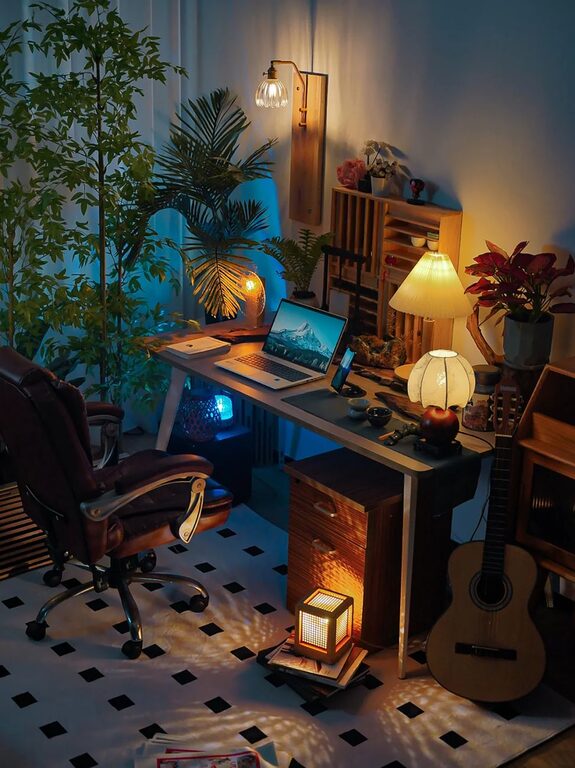
Creating a comfortable and inviting workspace at home is essential for maintaining focus and enjoying your daily tasks. Whether you work remotely full-time or need a dedicated spot for occasional projects, a well-designed home workspace can make all the difference. In this post, we’ll explore practical tips for turning any area into a cozy, inspiring environment that supports your productivity and well-being.
Why a Cozy Workspace Matters
A workspace is more than just a desk and a computer. When your workspace feels inviting and comfortable, it can reduce stress and help you stay motivated. A cozy environment encourages creativity and focus, making work feel less like a chore.
Here are some ways to achieve that cozy and inviting vibe.
Choose the Right Location
Natural Light is Key
Whenever possible, set up your workspace near a window. Natural light helps regulate your body clock, improves mood, and reduces eye strain. Even a small desk by a sunny spot can make a big difference.
Minimize Distractions
Pick a quiet corner, away from household traffic or noisy appliances. Using a room divider or bookshelf can help create a separate zone dedicated solely to work.
Invest in Comfort and Ergonomics
Supportive Seating
A comfortable chair that supports your posture is a must. Look for chairs with adjustable height, lumbar support, and cushioning. Spending many hours sitting means a good chair can prevent back pain and discomfort.
Desk Height and Organization
Ensure your desk height allows your forearms to rest parallel to the floor when typing. Keep essential items within arm’s reach to minimize disruption.
Personalize Your Space
Add Soft Textiles
Introduce cushions, throws, or rugs to soften the area and add warmth. Soft fabrics create an inviting atmosphere that feels less clinical.
Use Calming Colors
Choose colors that promote relaxation and concentration. Soft greens, blues, and neutrals tend to create a peaceful backdrop without overwhelming the senses.
Display Personal Touches
Incorporate photos, artwork, or plants that inspire you. Personal items can boost happiness and remind you why you work hard.
Optimize Lighting for All Times of Day
Layer Your Lighting
Use a combination of ambient, task, and accent lighting. A desk lamp with adjustable brightness can help you focus, while soft overhead lighting prevents harsh shadows.
Consider Warm Light Bulbs
Warm white bulbs create a cozy atmosphere and are easier on your eyes during long working hours, especially in the evening.
Keep Your Workspace Organized
Declutter Regularly
A tidy workspace reduces distractions and increases efficiency. Dedicate a few minutes at the end of each day to put things away.
Use Storage Solutions
Drawers, shelves, and organizers help keep important items sorted and accessible. Label containers to speed up finding what you need.
Incorporate Elements of Nature
Indoor Plants
Plants improve air quality and add a touch of nature that can enhance mood and reduce stress. Low-maintenance options like succulents or snake plants are perfect for busy professionals.
Natural Materials
Wood, stone, and woven baskets bring earthiness into your space and complement your cozy design.
Set Boundaries Between Work and Relaxation
Define Your Workspace
Even in a small apartment, marking your workspace visually or physically helps your brain distinguish between work and home life.
Create a Shutdown Ritual
Organize your desk and turn off screens at the end of the workday. This simple habit signals that it’s time to relax.
Keep Technology User-Friendly
Manage Cords and Devices
Use cable organizers to keep cords neat and reduce stress caused by tangled wires. Make sure your monitor is positioned at a comfortable viewing height.
Invest in Quality Equipment
A good keyboard, mouse, and headset streamline your work and cut down on frustration.
—
By thoughtfully combining these elements, you can design a home workspace that feels cozy, inviting, and functional. Remember, the best workspace is one that fits your personal needs and style — take the time to experiment and make adjustments until it feels just right. With a bit of care and creativity, you’ll create a space that supports both your work and well-being.
About the Author